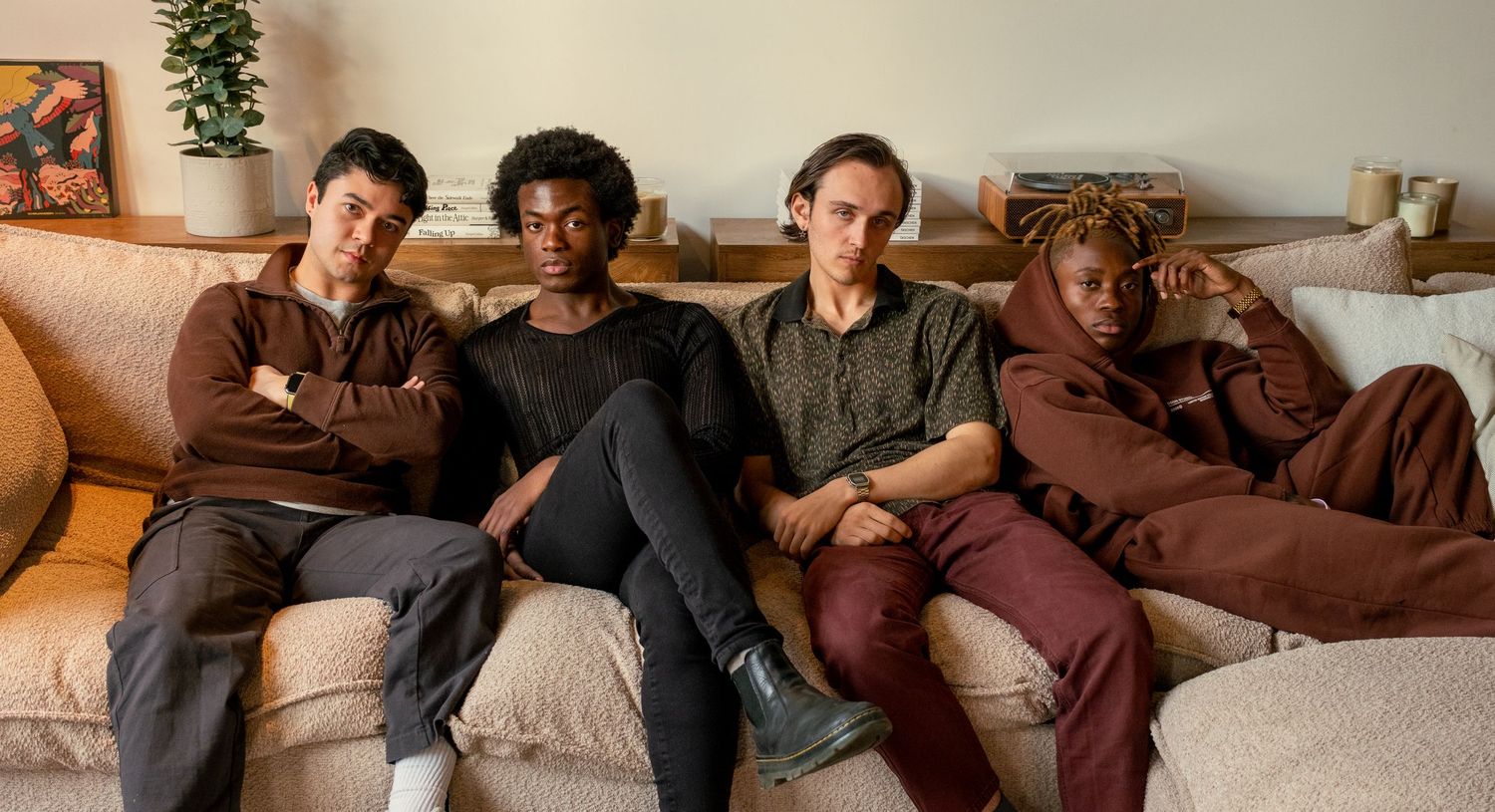
Building High Street Media took close to a year before it officially launched. In a world where creative businesses can be created in a matter of days, my timeline can feel excessive. But the goal was never speed. It was understanding.
From the beginning, I focused on building a diverse portfolio rather than impulsively sharing this new journey with the public. That meant working across different environments, lighting conditions, and with a range of subjects to learn more about my process and equipment. In this journey I learned how to handle everything from clean natural light to complex mixed lighting situations. Having this time allowed me to pay more attention to skin tones, color consistency, and how different settings translate once an image is actually edited.
About six months ago I found my clear weakness was working in low-light environments. It was actually quite demotivating at the time, even with all of the makeshift tips shared by others, I was never happy with my results. Instead of avoiding it, I researched solutions, studied how other photographers approached similar conditions, and eventually invested in a faster f/1.2 lens to expand both my technical capability and my confidence in those environments. Without taking the time to practice these conditions, I could have been forced to share work with clients that was not representative of my brand's image.
That process naturally extended into editing and post production. There is a tendency in photography to rely on preset filters, but I never adopted that approach. In many ways, I learned more by deliberately avoiding shortcuts and instead spending time understanding what each adjustment in Lightroom actually does. Pressing random buttons and observing the results taught more about color, exposure, and tone than trading creative decision-making for a preset ever could. The goal was always to understand why an image looks the way it does, not just how to make it look “good” quickly.
There is also an important layer that sits outside of the camera itself, which is understanding the industries being photographed. My focus has always been drawn toward luxury spaces, hospitality, and experiences that feel intentional and well-designed. Rather than waiting for opportunities to appear, I took a proactive approach and invested in access myself, paying for stays and experiences that allowed me to build the kind of portfolio I wanted to create. It was not about convenience, but about placing myself in environments that would push the work forward and open doors that would not have otherwise existed.
One of the biggest misunderstandings in photography is the idea that owning a camera automatically makes someone ready to charge for work. A camera is a tool, not a qualification. Clients are not just paying for images, they are trusting someone with moments, spaces, and experiences that cannot be repeated. That responsibility requires more than enthusiasm. It requires technical skill, consistency, and a level of professionalism that is built over time, not assumed at the start.
High Street Media is built on that foundation, but it does not stop there. This space will also be used to share future writing on the technical side of photography, creative business structure, and the realities of building within this industry. Alongside that, there will be more visual storytelling through travel, fashion, and creative work that explores photography in a less structured, more expressive way. Whether you are here to learn, create, or simply follow along, welcome to High Street.